Apple’s AI gamble: Shortcuts and Safari extensions show promise amid beta instability
While Safari extension generation works, complex Shortcuts tasks involving third-party apps often fail, underscoring the technical hurdles ahead for Apple’s AI-driven automation strategy.
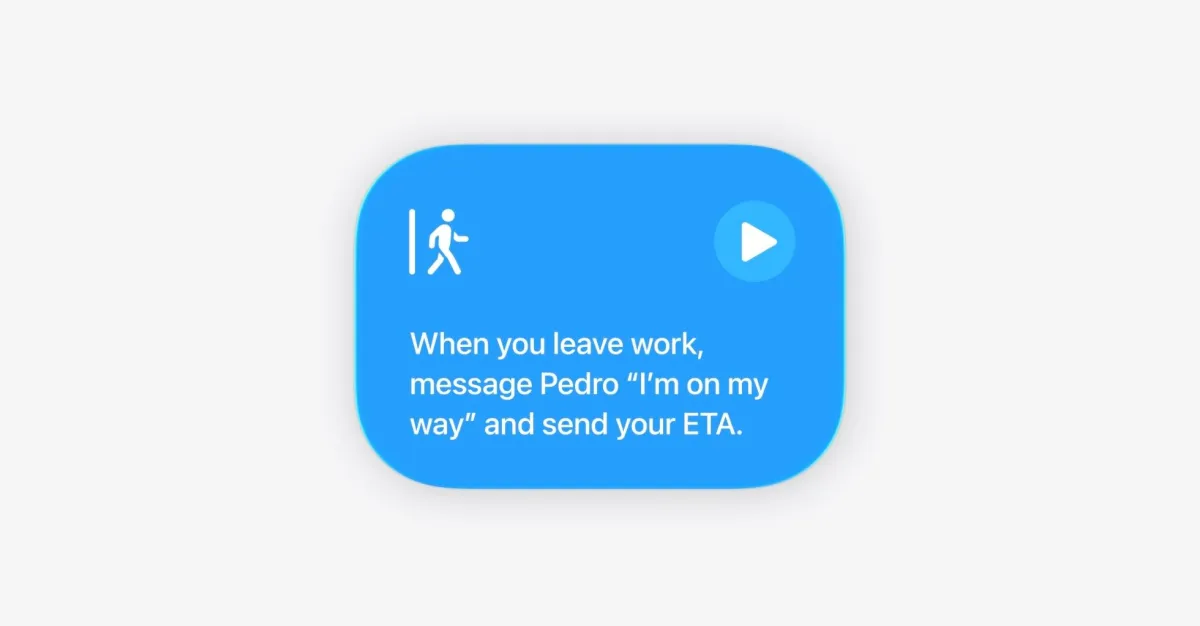
At WWDC 2026, Apple positioned artificial intelligence as a means to simplify device interaction, introducing capabilities for the Shortcuts app and Safari browser extensions that allow users to generate automations via natural language prompts. This initiative marks a strategic pivot toward what the industry terms ‘vibe coding’, where users describe desired outcomes rather than scripting them manually. The move contrasts with Apple’s previous stance against third-party vibe-coding applications, suggesting a shift in how the company intends to leverage its ecosystem dominance to streamline user tasks.
However, initial testing of the iPadOS 26 developer beta indicates significant functionality gaps. While the core concept of generating shortcuts through descriptive text is sound, early reports suggest the feature is largely non-functional for complex tasks. Users attempting to create automations involving third-party applications, such as configuring timer settings or integrating with the Kindle app, frequently encountered failures. In many instances, the system redirected users back to the standard manual editor, indicating a current lack of developer support for the new App Intents framework.
The challenges extend to basic automation logic as well. Tests involving multi-step processes, such as stitching photos from front and rear cameras or triggering Do Not Disturb modes based on specific app usage, often resulted in incorrect executions or incomplete steps. These reliability issues highlight the steep technical hurdle Apple faces in ensuring its AI models can accurately interpret and execute user intent across a fragmented landscape of third-party software.
Conversely, the AI-driven capabilities for Safari extensions have shown greater immediate utility. Users reported that creating browser extensions through natural language prompts, such as generating tools to copy pages as Markdown links, has proven functional and straightforward. Although these extensions currently lack cross-app AI interaction or complex processing capabilities, their ease of creation offers a tangible benefit for users looking to customise their browsing experience without requiring coding expertise.
This development occurs against a backdrop of intense competition in the AI sector, where major players are attempting to build ‘super apps’ that reduce reliance on traditional app-based interactions. Apple’s unique access to user data, including location and app login credentials, provides a potential advantage in executing these automations. Nevertheless, the success of this strategy hinges on convincing developers to support App Intents, a significant challenge given that shortcuts often allow users to complete tasks without opening the underlying applications.
The broader implication of these features is a potential reduction in screen time and friction, aligning with Apple’s stated goal of helping users interact with their devices more efficiently. By allowing users to mould their devices through natural language, Apple aims to address the idiosyncrasies of daily smartphone use, such as repetitive tapping and navigating between disconnected apps. If the technical hurdles can be resolved, this approach could offer a more intuitive alternative to the current app-centric model.
