Apple drops Intel support in macOS 27 Golden Gate as Siri AI takes centre stage
The latest operating system update marks a significant hardware threshold for Mac users, requiring M3 chips for advanced intelligence features while introducing system-wide chatbot capabilities.
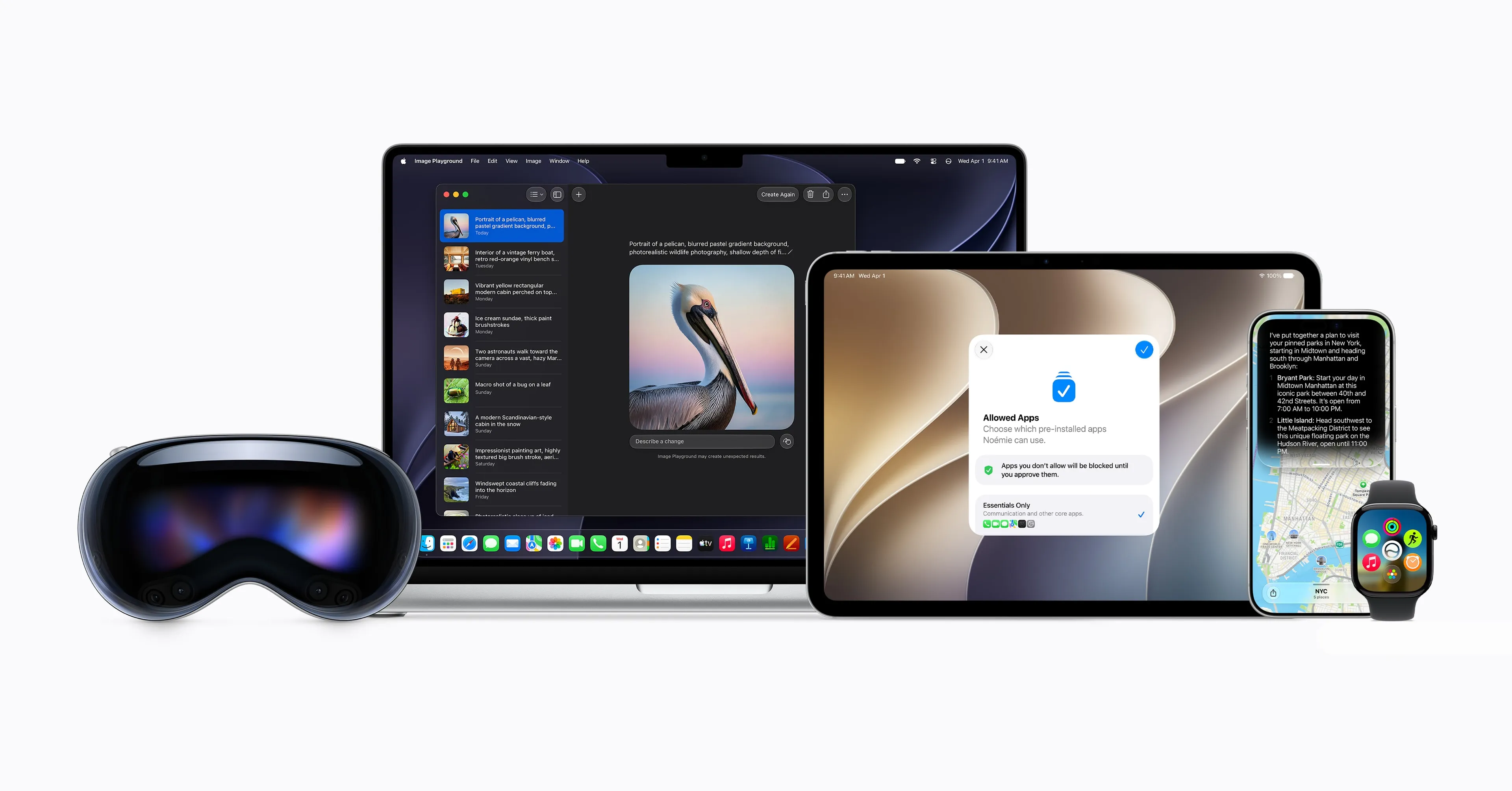
Apple has unveiled macOS 27 Golden Gate during its WWDC keynote, marking a definitive shift in its desktop operating system strategy. The update is the first to completely drop support for Intel-powered Macs, following the partial transition initiated with macOS 26 Tahoe. Consequently, the new software is now exclusive to Apple Silicon devices, with advanced Apple Intelligence functionalities strictly reserved for machines equipped with M3 chips or newer and at least 12 GB of RAM. This hardware requirement effectively excludes earlier MacBook Air models and the MacBook Neo from accessing the full suite of new capabilities.
The primary focus of the release is the reintroduction of Siri, now rebranded as Siri AI. Functioning as a system-wide chatbot, the assistant is powered by Google’s Gemini models, leveraging their natural language processing, computer vision, and image generation capabilities. Users can access Siri AI via a dedicated application, a simple right-click in the context window, or through Spotlight, which now automatically routes suitable queries to the chat interface. The feature includes screen awareness, allowing the assistant to interpret and act upon visual content from screenshots, alongside automatic proofreading and personal context integration.
Safari receives substantial AI-driven enhancements, including a new feature called Topics that automatically groups browser tabs based on content relevance. Users can then save or close these groups with minimal manual intervention. The browser also introduces Custom Extensions, enabling users to create extensions using natural language prompts, and integrates with the Passwords app to identify and rectify compromised login credentials. These updates aim to streamline workflow efficiency while reducing the manual organisation previously required for tab management.
Productivity applications have also been upgraded to support generative AI. The Shortcuts app now allows for natural language design, enabling users to create complex automations without manually connecting functions. For instance, a user can instruct the system to calculate an estimated time of arrival and send it via Messages, with the app handling the underlying logic. Similarly, Image Playground utilises Google’s Gemini technology to generate photorealistic imagery, subject to daily usage limits that can be increased through paid iCloud+ subscriptions.
The user interface has been refined to address previous criticisms regarding readability. The Liquid Glass design language now employs a stronger refraction effect to obscure background content, improving text legibility. System-wide visual consistency has been improved with uniform corner radiuses for window control buttons and expanded sidebars. Under the hood, Apple reports improvements in memory and CPU usage, resulting in more fluid transitions between Spaces and Mission Control. Developer betas are available immediately, with a public beta expected in July. Due to regulatory concerns, Siri AI will not be available in the European Union or China.
