Alibaba and Baidu shares rise in Hong Kong on Apple AI partnership
Shares in the Chinese tech firms increased in Hong Kong trading following the announcement, occurring against a backdrop of intensifying technological rivalry between the United States and China.
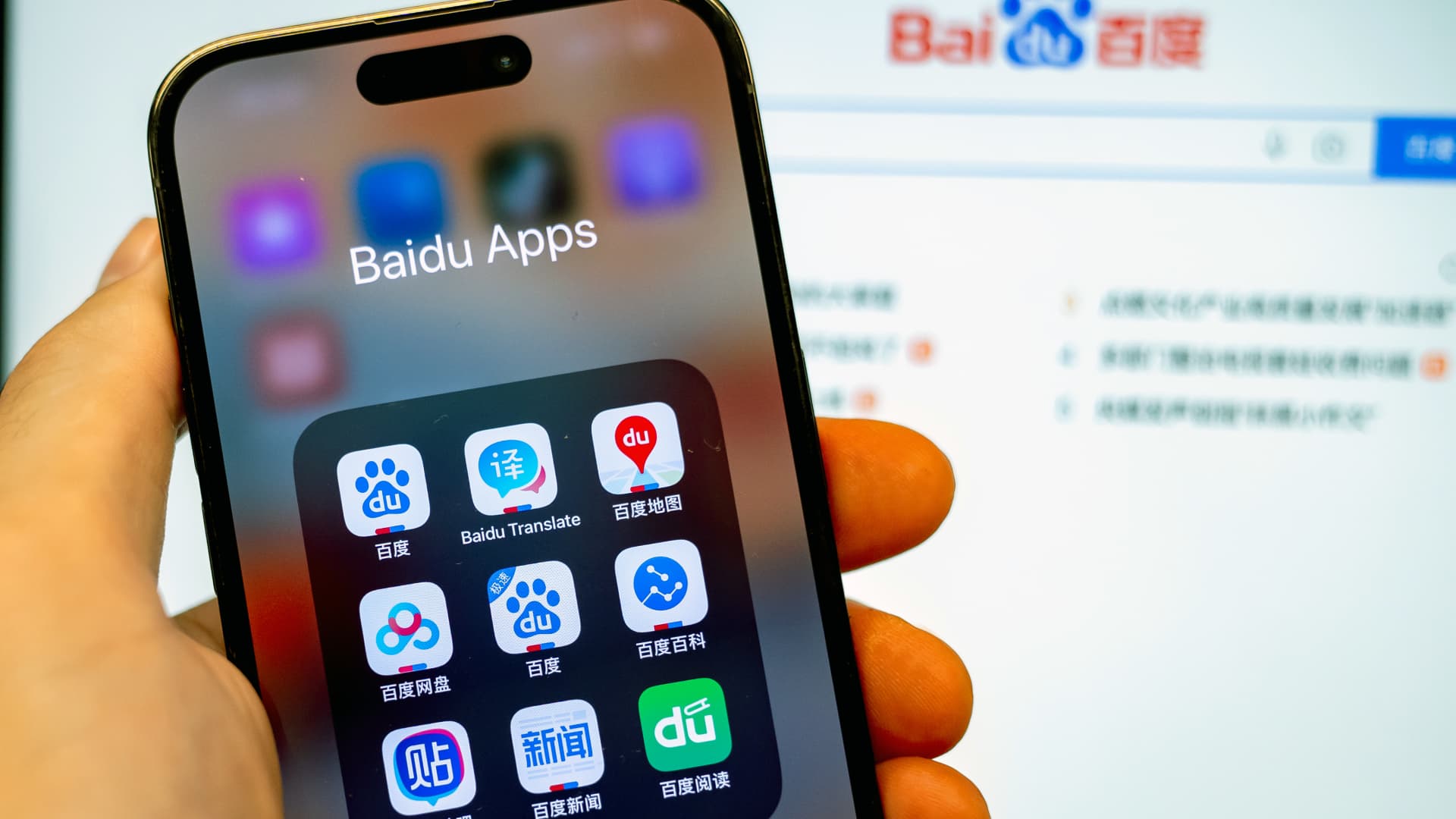
Shares in Alibaba and Baidu increased in Hong Kong trading following Apple’s announcement of an artificial intelligence partnership with the two Chinese technology firms. The market movement comes as the United States and China continue to compete for dominance in the artificial intelligence sector, with technological rivalry between the two nations intensifying.
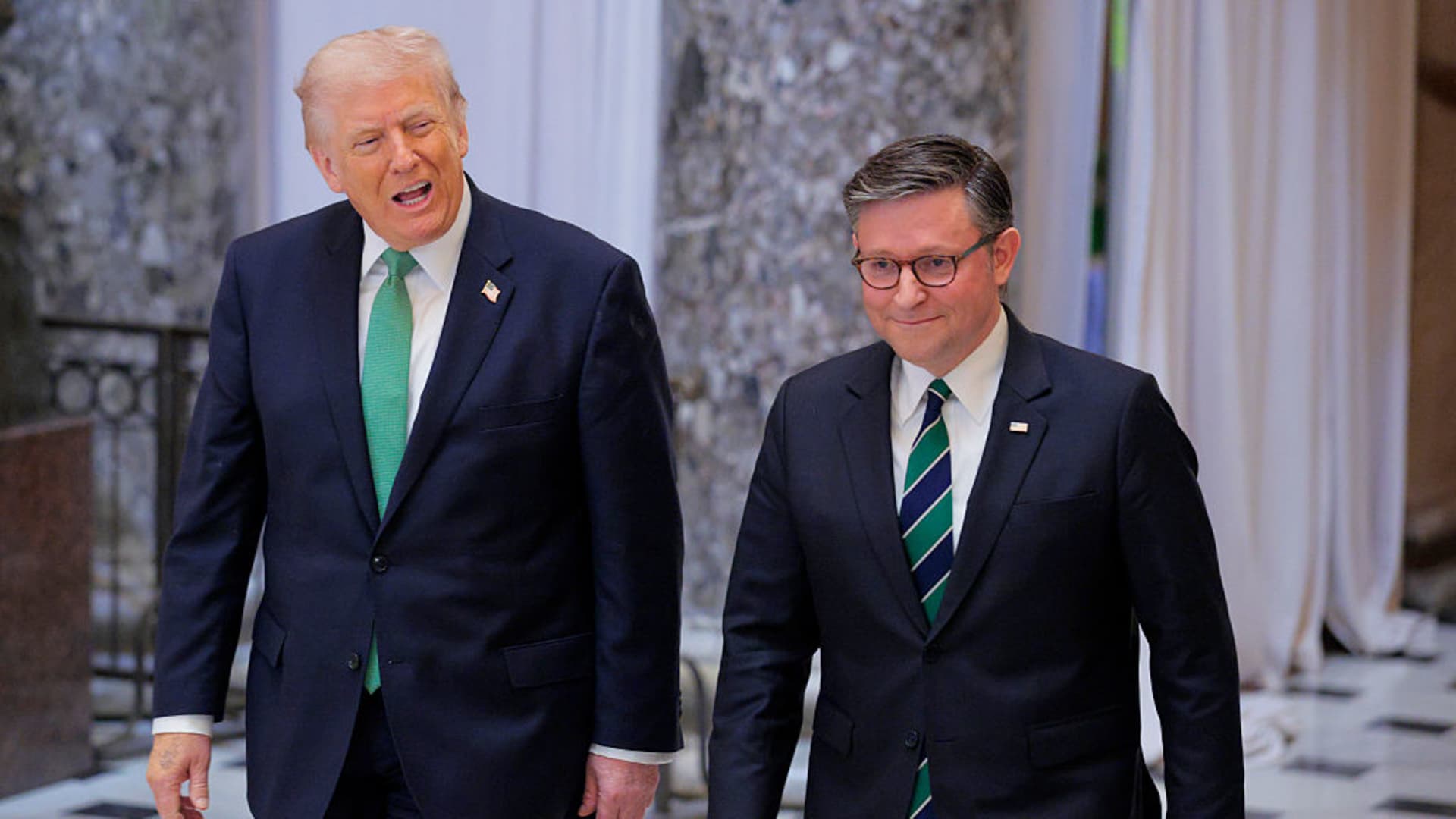
The announcement coincides with the commencement of a two-day summit in Beijing between US President Donald Trump and Chinese President Xi Jinping. This marks the first visit by an American president to China since 2017, with the agenda covering trade, artificial intelligence, and the Strait of Hormuz.
US stock markets also posted gains on Thursday as the summit began. The Dow Jones Industrial Average gained 0.8%, the S&P 500 rose 0.3%, and the Nasdaq Composite climbed 0.2%. Key US technology leaders, including Apple CEO Tim Cook, are attending the summit.
Nvidia shares surged more than 2% following news that the US approved H200 chip sales to Chinese firms. Other US CEOs attending the summit include Elon Musk and Jensen Huang.
The specific details of the Apple AI partnership with Alibaba and Baidu were not provided in the source material. The exact percentage increase in Alibaba and Baidu shares was also not specified.