AirTrunk commits $30 billion to India’s AI data centre boom
The Blackstone-backed firm’s investment underscores the intensifying race for artificial intelligence infrastructure in South Asia, supported by tax incentives and high-level government engagement.
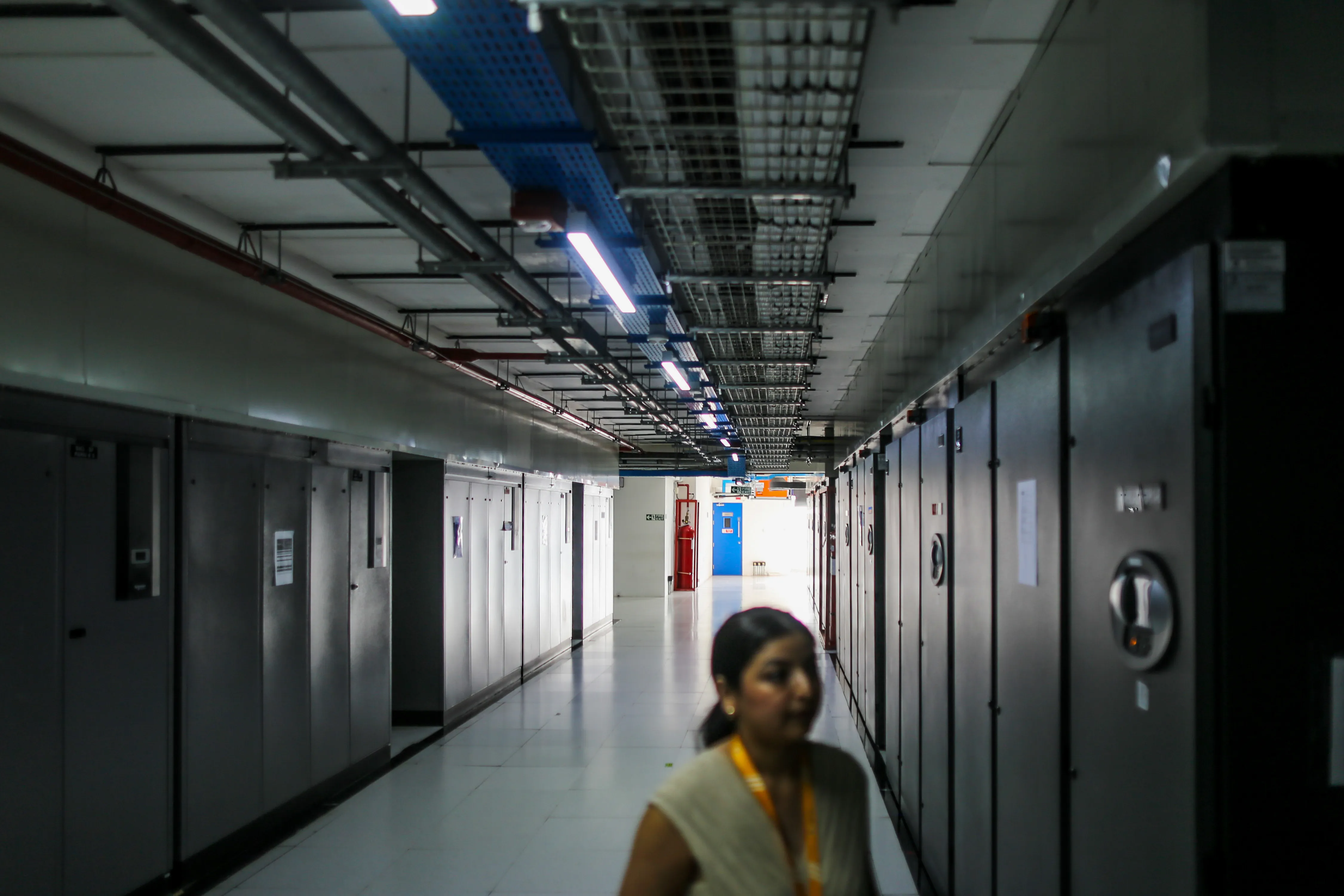
AirTrunk, the Australian data centre operator backed by Blackstone, has announced a $30 billion investment plan to develop 5 gigawatts of new data centre capacity in India by 2030. The commitment positions the company among the largest foreign investors in the South Asian nation’s digital infrastructure sector, adding to a wave of capital commitments from technology and infrastructure groups seeking to expand computing capacity in the region.
The announcement follows the company’s acquisition of Lumina CloudInfra earlier this year and a recent meeting between AirTrunk chief executive Robin Khuda and Indian Prime Minister Narendra Modi. Modi stated that the planned investment would help strengthen India’s position as a global hub for cloud computing and artificial intelligence, aligning with New Delhi’s broader strategy to attract foreign capital and high-value technology services.
A significant portion of the investment is directed toward a 3 gigawatt project in the Raigad district of Maharashtra. Maharashtra Chief Minister Devendra Fadnavis confirmed that the state had exchanged a letter of intent for land allotment at the Raigad Pen Growth Center for the facility, which requires an investment of approximately ₹2 trillion, or around $21 billion. AirTrunk also holds a development pipeline of approximately 600 megawatts across Mumbai, Chennai, and Hyderabad.
The move comes as India seeks to capitalise on favourable regulatory conditions, including tax exemptions for foreign cloud providers selling services overseas if those workloads are run from Indian data centres. These incentives, valid through 2047, are designed to bolster the country’s appeal as a destination for artificial intelligence infrastructure. Research firm Bernstein projects that India’s data centre capacity could rise to as much as 8 gigawatts by 2030, up from approximately 1.5 gigawatts currently.
AirTrunk’s investment thesis relies on government support, a large pool of technical talent, and access to renewable energy, according to Khuda. The company joins a crowded field of competitors in the Indian market, including Amazon, Google, Microsoft, OpenAI, Uber, Reliance Industries, Adani Group, and TCS, all of whom have announced major infrastructure plans. However, industry analysts warn that data centres require vast amounts of electricity, water, and land. Deloitte estimates that data centre build-outs in the Asia Pacific could require tens of terawatt-hours of additional electricity by the end of the decade, raising questions about resource availability.
AirTrunk did not respond to inquiries regarding whether the Raigad project accounts for the majority of the planned 5 gigawatt capacity or if additional developments are planned elsewhere in India.
