Japan issues tsunami advisory from Ibaraki to Okinawa as coastal evacuations begin
The national government has established an information liaison office and suspended Tokyo Bay ferry services following the seismic event.
Event
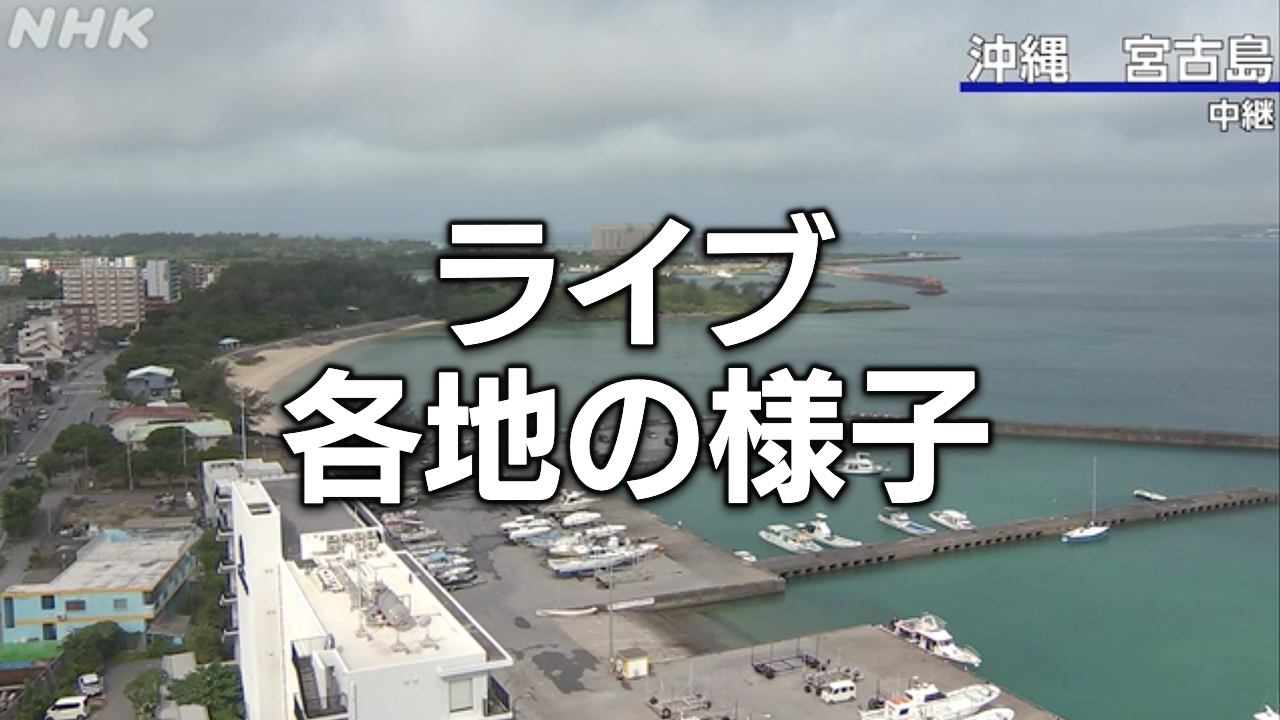
The Japan Meteorological Agency issued a tsunami advisory for coastal areas stretching from Ibaraki Prefecture to Okinawa Prefecture. The advisory covers the Miyako-Yaeyama region, the Amami Islands-Tokara Islands, the Okinawa Main Island region, and the Daito Islands, with expected wave heights of one metre. In response to the advisory, the city of Kochi issued evacuation orders for coastal areas, and the government established an information liaison office. Additionally, Tokyo Bay ferries suspended operations.
2 published stories · policy · source reliability 0%

The national government has established an information liaison office and suspended Tokyo Bay ferry services following the seismic event.
Background
On 8 June 2026, the Japan Meteorological Agency (JMA) issued a tsunami advisory for a vast stretch of the Pacific coast, ranging from Ibaraki Prefecture in the north to Okinawa Prefecture in the south. The advisory, which anticipates wave heights of approximately one metre, applies to several island groups including the Miyako-Yaeyama, Amami Islands-Tokara Islands, Okinawa Main Island, and Daito Islands regions. In response, Kochi City issued evacuation orders for coastal residents, the national government established an information liaison office, and ferry services in Tokyo Bay were suspended. While the cluster summary attributes the advisory to a Magnitude 8.2 earthquake, the source text does not explicitly confirm the seismic magnitude or epicentre, noting only the issuance of the advisory. This event is distinct from a separate weather disaster warning issued on 3 June 2026 regarding linear rainbands in southern Japan.
On 8 June 2026, the Japan Meteorological Agency (JMA) issued a tsunami advisory for a vast stretch of the Pacific coast, ranging from Ibaraki Prefecture in the north to Okinawa Prefecture in the south. The advisory, which anticipates wave heights of approximately one metre, appli
Fact cards
Key entities: Japan Meteorological Agency, Ibaraki Prefecture, Okinawa Prefecture, Kochi City, Tokyo Bay.
What areas are affected by the tsunami advisory? The advisory covers the Pacific coast from Ibaraki Prefecture to Okinawa Prefecture, including the Miyako-Yaeyama region, Amami Islands-Tokara Islands, Okinawa Main Island region, and Daito Islands. What is the expected tsunami hei
3 June 2026, 01:13: JMA issues a 'linear rainband imminent prediction' weather disaster warning for southern Wakayama, Mie, and Tokushima prefectures (unrelated to the tsunami advisory). 8 June 2026: JMA issues a tsunami advisory for coastal areas from Ibaraki to Okinawa Prefectu
Timeline
JMA issues a 'linear rainband imminent prediction' weather disaster warning for southern Wakayama, Mie, and Tokushima prefectures (unrelated to the tsunami advisory).
JMA issues a tsunami advisory for coastal areas from Ibaraki to Okinawa Prefecture, with expected wave heights of one metre.
Kochi City issues evacuation orders for coastal areas in response to the advisory.
The Japanese government establishes an information liaison office.
Ferry operations in Tokyo Bay are suspended.
FAQ
The advisory covers the Pacific coast from Ibaraki Prefecture to Okinawa Prefecture, including the Miyako-Yaeyama region, Amami Islands-Tokara Islands, Okinawa Main Island region, and Daito Islands.
The expected tsunami height is 1 metre.
Kochi city issued evacuation orders for coastal areas, Tokyo Bay ferry services were suspended, and the government established an information liaison office.
Yes, similar 8.2 magnitude earthquakes off the coast of Mindanao have previously triggered tsunami warnings across Indonesia, the Philippines, and Japan.