Exein raises $270 million as physical AI security bet lifts valuation to $1.7 billion
The Rome-based cybersecurity startup will use the funding for acquisitions, product development, hiring and expansion across the United States and Asia-Pacific.
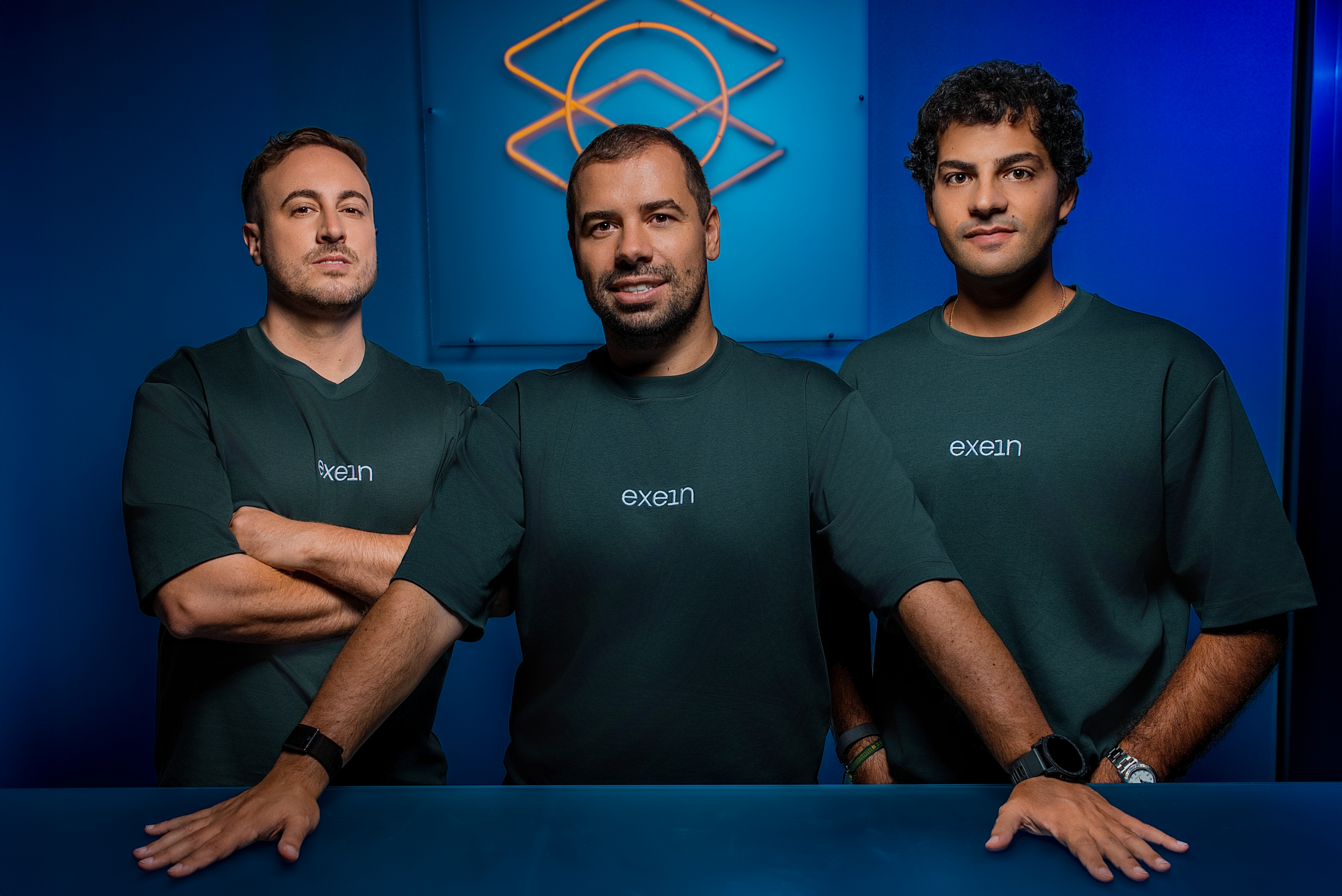
Italian cybersecurity startup Exein has raised $270 million in a funding round led by Headline, valuing the Rome-based company at $1.7 billion. The company said the round was significantly oversubscribed, although the other participating investors and precise structure were not disclosed.
Founded in 2018, Exein provides runtime protection for connected devices, including AI-enabled robots, drones, vehicles and sensors. Its latest product, Photon, is designed to prevent attacks at a device’s kernel level.
Exein says it has secured more than 2 billion connected devices across sectors including aerospace, industrial automation, automotive manufacturing, energy, healthcare and semiconductors. It is positioning the business for the growth of “Physical AI” — AI operating in or controlling physical devices that run models at the edge.
The company is developing a foundational Physical AI security model trained on machine data and telemetry, with a target release in the first quarter of 2027. CEO Gianni Cuozzo said Exein had already seen an increase in machine-speed attacks, which he attributed in part to open-source models that can operate without guardrails.
Exein plans to deploy the new funding on acquisitions, product development and hiring as it expands in the United States and Asia-Pacific. The company says Asia-Pacific currently accounts for half its revenue and that it is growing 400% year on year.
The European Union’s Cyber Resilience Act could provide additional regulatory impetus. Its reporting obligations began last week, while the legislation is due to take full effect in December 2027 and requires manufacturers to ensure digital products are protected from cyber threats.