Chemistry Nobel honours reactions that amplify molecular handedness
Henri Kagan and Kenzo Soai showed how reactions can favour one mirror-image form of a molecule, with implications for drug production and a qualified link to life’s origins.
The 2026 Nobel Prize in Chemistry has been awarded to Henri Kagan and Kenzo Soai for research showing how chemical reactions can produce a large excess of one molecular form over its mirror image. Ars Technica reported the award and the research findings.
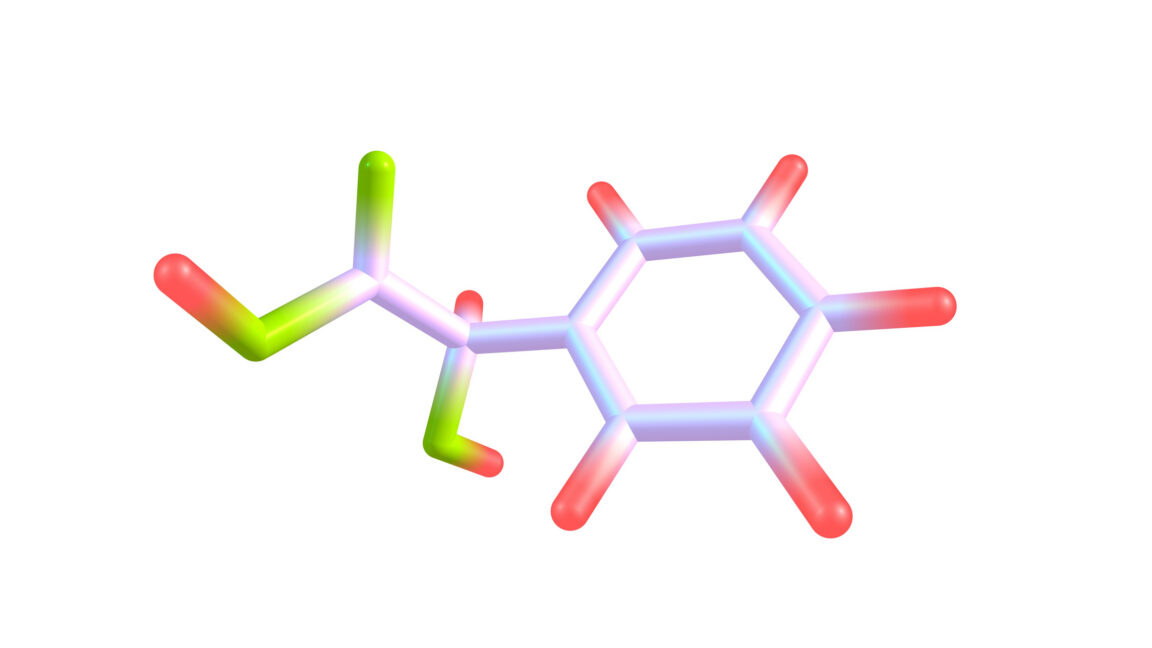
Many molecules exist as mirror-image forms, known as enantiomers. Biological molecules and enzymes can be selective for one form, while common chemical reactions often produce an even mix. That selectivity matters in pharmaceuticals, where a drug’s mirror image may be inactive or harmful.
Kagan studied chiral catalysts, which can favour the formation of one molecular form. By the mid-1960s, he had identified three reactions that produced an excess of a single form. Later work showed that non-chiral chemicals could also selectively activate or inhibit chiral catalysts, offering more control relevant to pharmaceutical production.
Soai found a reaction in which one form of the product catalyses the production of more of that same form. Repeated rounds amplified an initial imbalance. Under some conditions, a tiny starting bias led to more than 99 per cent of one form.
The findings may offer a possible analogy for how small chemical imbalances contributed to life’s preference for one molecular handedness. But the reported reactions were not demonstrated with biomolecules, and the work does not establish how life acquired that preference.